X-SeeO2
The X-SeeO₂ consortium is formed by three leading universities in cementitious materials, carbonation and advanced X-ray imaging: University of Malaga (UMA), University of Bath (UoB) and University of Manchester (UoM) and the European Synchrotron Radiation Facility (ESRF).
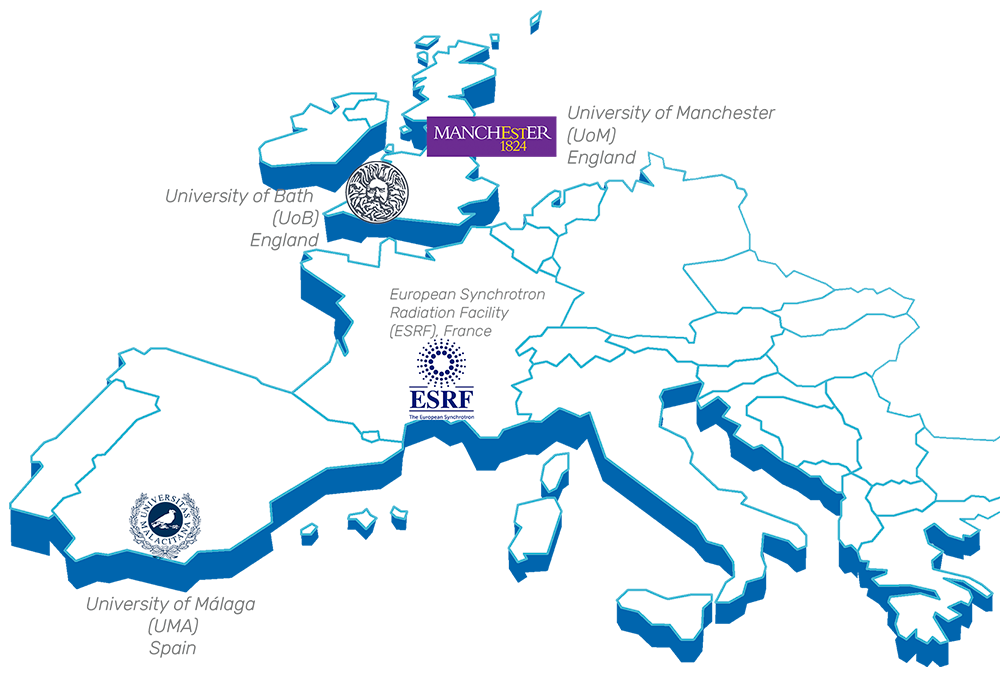
CONSORTIUM
Their combined expertise seeks to accelerate the adoption of cements as carbon dioxide sinks, a pivotal strategy in the global fight against pollution and climate change. This goal aligns with increasing international recognition of cement’s potential in impacting greenhouse gas emissions positively.
University of Málaga
Cement Science Group
Expertise in cement reactivity and analysis.
Advanced XRPD + µ-CT methods for accurate analytical characterization and CO₂-curing studies.
University of Bath
Experts in cement chemistry and characterisation, the University of Bath team develops and models advanced cementitious materials, with a focus on carbonation in Portland and non-Portland systems.

University of Manchester
Henry Rocye Institute
UoM provides world-leading expertise and facilities in advanced X-ray imaging, applying Correl-CT algorithms for time-lapse CT reconstruction. It leads national initiatives (NXCT, EPSRC–ESRF link) that supply imaging access and expertise.
Find out more HRI Team UoM

University of Málaga
UMA is the Coordinator of the consortium.
UMA provides access to state-of-the-art X-ray analytical techniques, including X-ray Powder Diffraction (XRPD) and Microtomography (µCT). The team also offers advanced data analysis tools to deepen understanding of cementitious materials.
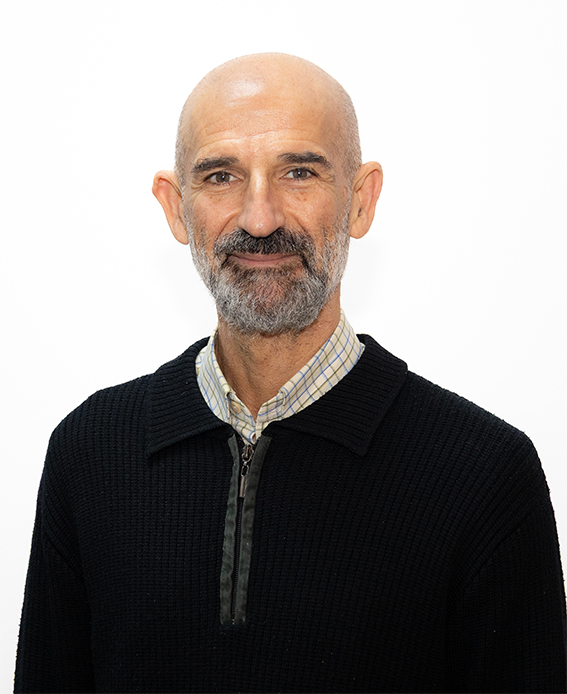

Prof. Ángeles G. De la Torre
Co-Principal Investigator
Rietveld analysis of many types of cementitious materials




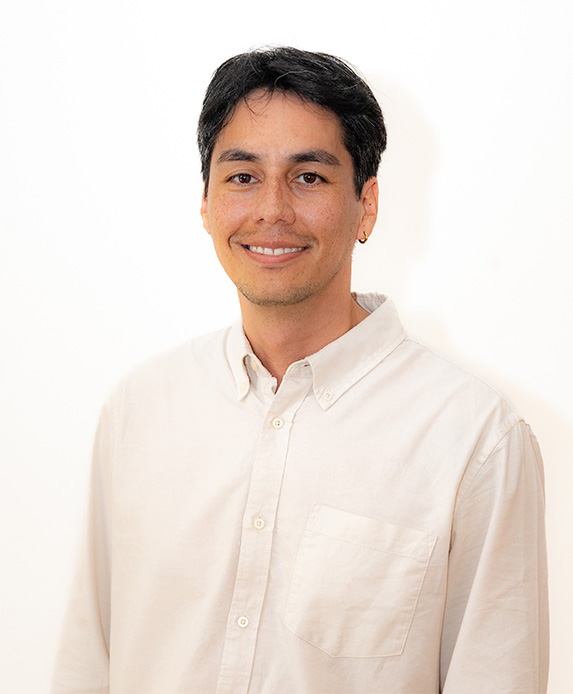
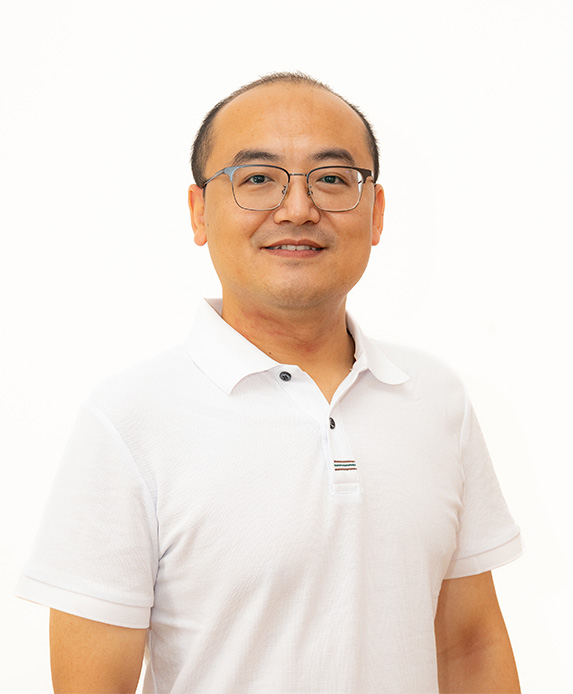


The University of Bath (UoB) team provides expertise in cementitious materials chemistry and advanced characterisation, with an emphasis on production, evaluation and performance prediction of novel cementitious constituents. The team also brings a wealth of expertise on carbonation assessment and modelling of Portland and non-Portland cementitious systems.

Prof. Susan A. Bernal
Principal Investigator
Cement’s chemistry (blended PCs, alkali-activated); Advanced characterisation (X-ray imaging and spectroscopy); Carbonation performance and CO2 uptake


Dr. Ilda Tole
Team/Member
WP9 lead – CO2 assisted mechano-chemical activation of calcium aluminosilicate resources

Dr. Xuhui Liang
Team/Member
Expertise in low-carbon binder development, microstructure characterisation, and industrial by-products valorisation.


University of Manchester
UoM are a beneficiary of the consortium
UoM The University of Manchester contributes advanced imaging expertise via the National X-ray Computed Tomography facility (NXCT) at the Royce Institute. The team uses µCT and synchrotron techniques to non-destructively study 3D microstructures in cementitious materials, and develops tools to quantify cement phases and porosity—supporting low-carbon cement research.
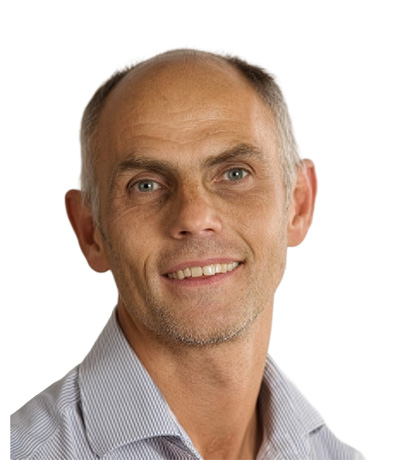
Prof. Philip J. Withers
Principal Investigator
Cements: Advanced SR/Lab X-ray imaging data collection and analysis

Prof. Timothy Burnett
Co-Principal Investigator
Advanced Lab X-ray imaging and correlative tomography
timothy.burnett@manchester.ac.ukes

Tayyaba Rabnawaz
Research Fellow
Advanced synchrotron and lab-based X-ray imaging, multi-modal material analysis, and correlative techniques
tayyaba.rabnawaz@manchester.ac.uk


Radiation Facility
ESRF provides intense beams of synchrotron X-ray radiation which will be exploited in the investigation of new cementitious materials
ESRF will develop cells and provide beam time for in-situ studies of CO2 mineralization.